How to Deliver Video Guides via Automated Direct Messages
The Undeniable Persuasion Power of In-Chat Video
While product photography highlights key features, a 15-second product demonstration video settles purchasing hesitation far faster than pages of text. When an Instagram prospect inquires about fabric quality, mechanical assembly, or makeup shades, visual evidence accelerates confidence and purchase velocity.
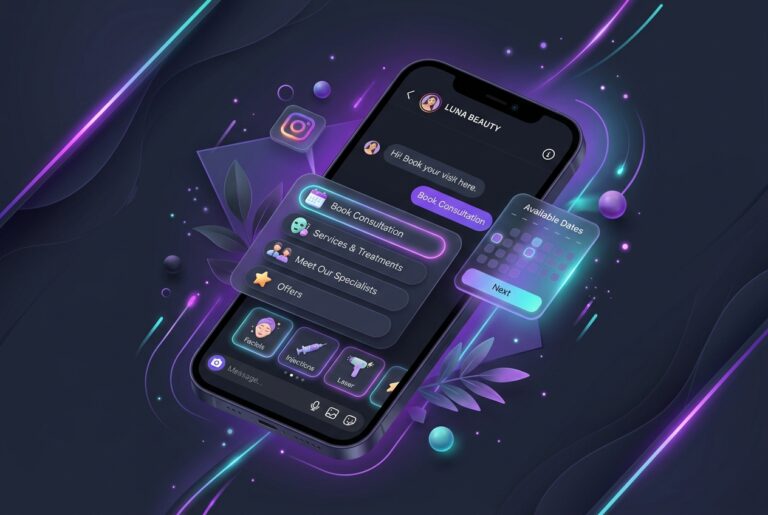
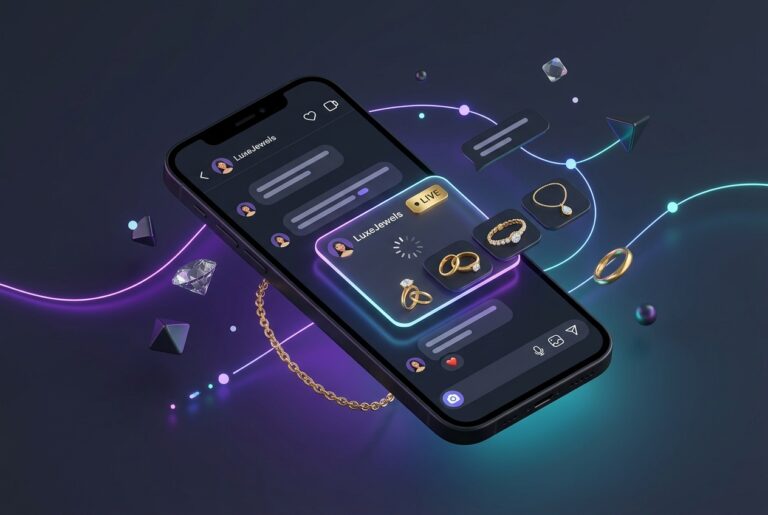
With Odirect’s **Video Message Delivery** capability, businesses can automatically serve crisp, high-definition video assets directly within customer DM threads in response to specific product or sizing keywords.
Comparison: Static Text Answers vs. Native Video Delivery
| Support Metric | Text-Only Automated Replies | Odirect Native Video Message Delivery |
|---|---|---|
| Buyer Confidence | Persistent hesitation regarding true specs | Immediate clarity on real-world dimensions and use |
| Admin Workload | Repetitive typing of descriptive explanations | Instant automated delivery in under 3 seconds |
| Return and Refund Rates | Elevated due to customer misexpectations | Significantly reduced via comprehensive video previews |
Step-by-Step Video Setup in Odirect
- Prepare Video Asset: Export a lightweight MP4 file (under 25MB, 9:16 or 1:1 aspect ratio) hosted on a CDN or web server.
- Configure Scenario in Odirect: Select “Attachment: Video” as your response payload.
- Paste Direct Media URL: Ensure the URL points directly to the playable video file.
- Pair with Action Buttons: Follow the video payload with a Button Template offering immediate checkout or size consultation.
Frequently Asked Questions
Do recipients need to download external files?
No. The video renders natively within the Instagram direct message window and plays seamlessly on tap.
What is the recommended video duration?
Bite-sized clips between 10 and 30 seconds deliver the optimal balance of fast loading and complete customer clarity.
Practical implementation roadmap
To put “How to Deliver Video Guides via Automated Direct Messages” into practice, define the problem in the customer’s language and separate verified information from details requiring human review. This boundary prevents unsupported promises and clarifies which answers can be reused. Match the entry point to real customer behavior; do not force unrelated needs into one journey.
1. Record a baseline
For several days, record sample questions, required answers, and cases that need an operator. Keep personal information out of shared templates. Group questions into a few needs and note the approved reply, review owner, and last-checked date. This makes later comparison more reliable than relying on impressions.
2. Design a clear path
Write a concise opening reply for each need that directly answers the question. Label choices precisely and remove redundant options. Make the next step explicit: view details, choose a product, or contact support. A link should lead to a relevant destination and work on mobile. Read the copy from the perspective of a first-time visitor.
3. Test before enabling
Use a test account to check the main phrase, common variations, similar but unrelated input, repeated messages, and every button. Follow the journey end to end to find duplicates or dead ends. Test comment and Story-reply entry paths separately where relevant, and record the results.
Measure quality and decide what to improve
Connect measures to the goal: did customers find the answer, repeat the question, use the next link or option, or need human help? Compare equivalent periods and note simultaneous changes such as campaigns or holidays. If clicks are low, review the destination and clarity of the action; if questions repeat, the reply may be incomplete. Do not generalize from a small sample.
Pre-launch quality checklist
| Area | Control question | Correction |
|---|---|---|
| Accuracy | Is the information approved? | Review and set next check date |
| Clarity | Is the next step obvious? | Simplify copy or button |
| Trigger fit | Does input match this reply? | Narrow and test examples |
| Exceptions | Can customers reach a person? | Add a clear handoff |
Preventable mistakes
- Do not promise prices, stock, or delivery without a reliable source.
- Do not send one long reply for several different needs.
- Do not publish vague buttons or unchecked links.
- Test a first-time visitor’s experience, not only the account owner’s.
- Do not measure success by message count alone; review answer quality and follow-up.
Illustrative example and limits
Imagine a business receives a recurring question on “How to Deliver Video Guides via Automated Direct Messages”. The team gathers approved information, divides the reply into short parts, and creates clear options for distinct requests. It then tests the flow and revises unclear or incomplete steps. This illustrates a process, not a measured result or guarantee of sales growth; outcomes depend on the product, information quality, and customer behavior.
Review and maintain the content
Turn feedback into observations: which phrase was unclear, where did customers leave, what did they ask again, or which link did they not open? Look for causes in copy, journey design, or outdated information. Keep the prior version and change date so it can be restored if the experience worsens. Approve updates to prices, delivery, products, or account policies with the responsible owner. Assign each flow a review owner and next review date.
Related reading
For the next step, see these guides: Instagram DM Automation vs. Link in Bio: Conversion Analysis How to Create High-Converting Button Templates in Instagram DM How to Set Up an Always-On Persistent Menu in Instagram DM How to Configure IceBreakers for Instant FAQ Responses